What to Review Before Purchasing a Norweco Singulair Green System
@fernandocrmh478
October 28, 2026 · 15 min read

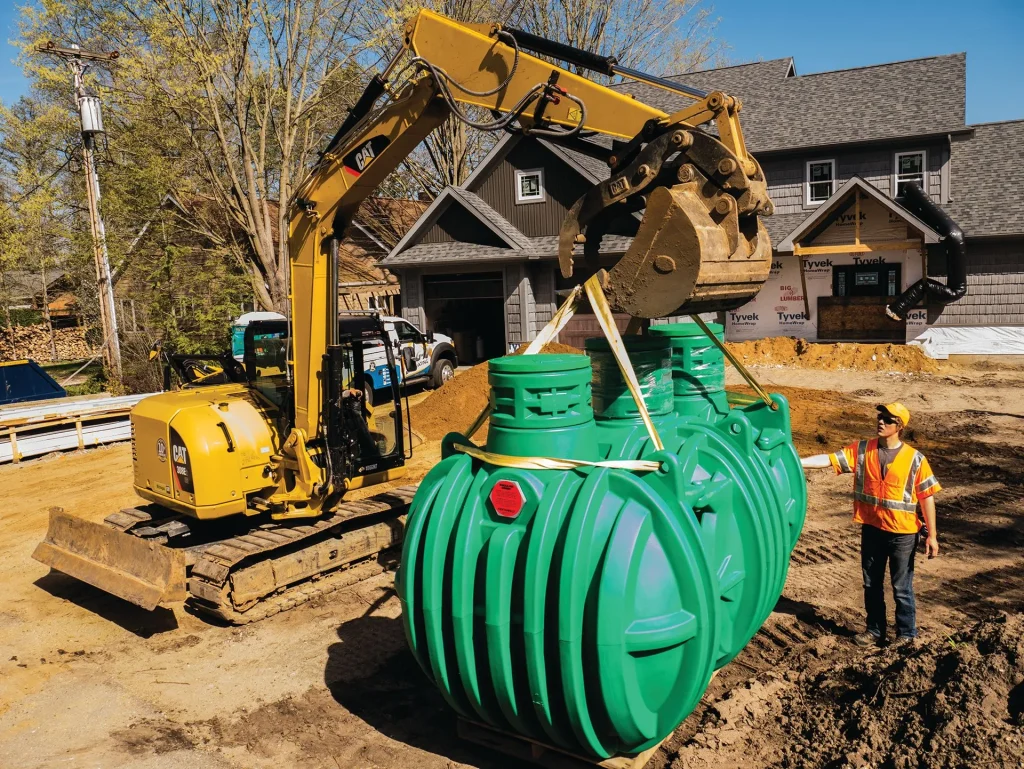
Buying a treatment system for a property is not like buying a water heater or replacing a pump. Once it is in the ground, you live with the consequences for years. That is why a purchase like a norweco singulair green system deserves a hard look before any contract is signed, especially if you are trying to balance regulatory compliance, long-term maintenance, site limitations, and household expectations.
I have seen people focus almost entirely on the tank price, then get blindsided by installation constraints, electrical upgrades, annual service requirements, or discharge rules that changed the economics of the job. I have also seen the opposite, homeowners who paid more upfront for a system that fit their site and local approval process well, then avoided years of frustration. The difference usually comes down to what was reviewed before purchase.
The Norweco Singulair Green is typically considered in settings where a conventional septic arrangement is not practical, not allowed, or not sufficient to meet treatment requirements. That usually means more scrutiny, not less. Before you buy, you want a clear picture of how the system fits your property, your local code, and your tolerance for service obligations.
Start with the reason this system is being proposed
The first question is simple but often skipped. Why this system, on this property, instead of another approved option?
Sometimes the answer is straightforward. The lot may be too small for a standard system. Seasonal high water tables may limit trench depth. Soil may fail percolation standards. A property may be near a lake, stream, or other sensitive receiving area where higher treatment performance is required. In some counties, a pretreatment unit or advanced treatment system becomes the practical path because the local health department will not approve a conventional design.
What matters is whether the recommendation is based on the actual site and permit conditions, or just on installer preference. Every contractor has systems they like to work with. There is nothing wrong with that, but you need to know whether the preference also serves the property.
Ask to see the approved or proposed design basis. That includes bedroom count or design flow, soil findings, setback constraints, discharge path, and any special conditions attached by the local authority. A four-bedroom home with frequent guests produces a different loading pattern than a two-bedroom weekend cabin, even if the owners think their water use is modest. Treatment units perform best when matched honestly to real loading conditions.
Understand what a Singulair Green system is expected to do on your site
The term “advanced treatment” gets used loosely, and that can create confusion. Some owners assume every advanced unit produces the same effluent quality and carries the same approval pathways. That is not how it works in practice. The norweco singulair green system may be accepted under specific state or county frameworks, and those frameworks often control where it can discharge, what kind of dispersal field it can use, and what operation and maintenance terms apply.
That means you should not evaluate the system in a vacuum. Evaluate the full treatment train. On many projects, the tank or treatment unit is only one part of the whole arrangement. There may also be pumps, controls, alarms, pretreatment chambers, disinfection components where allowed or required, and a final dispersal method such as drip, low-pressure pipe, shallow placement, or another approved absorption setup.
A homeowner once told me, “I thought I was buying a tank.” In reality, he was buying a managed wastewater system with electrical components, service calls, and reporting requirements. He was not upset with the equipment. He was upset that no one had framed the purchase correctly.
Confirm local approval before you compare features
This is where many buyers lose time. A system can have a strong reputation and still be the wrong choice if the local jurisdiction handles approvals differently than expected. Counties and states vary widely. Some maintain specific approved product lists. Some require designer certification. Some require a service contract before final signoff. Some limit use cases based on lot type, discharge location, or seasonal occupancy.
Before you focus on model details, confirm these points with the relevant authority or with a licensed designer who works regularly in that jurisdiction:
- whether the proposed Norweco model is approved for your application
- whether the site requires a specific effluent quality or treatment category
- whether a service contract is mandatory for permit finalization or continued operation
- whether sampling, reporting, or scheduled inspections are required
- whether replacement area or reserve area rules still apply on the lot
Those five items sound basic, but they affect cost, timeline, and long-term ownership more than most brochure features do.
Look closely at the site, not just the equipment
A good treatment unit cannot overcome a bad site plan. In field work, I have seen the most trouble come from installations where everyone talked about treatment performance but too little about access, drainage patterns, slope, traffic, and utility conflicts.
Take access, for example. Can an installer get equipment to the area without destroying retaining walls, patios, or mature trees? Can a pump truck reach the tank later for routine pumping? If the answer is “probably,” that is not enough. Access issues become expensive after the landscaping is finished.
Then consider elevation. If the home’s plumbing exit is low relative to the treatment area, a pump may be unavoidable. That is not automatically a problem, but it adds components that require power, controls, and future service. On the other hand, if gravity flow is feasible, the system may be simpler to live with. Simpler often means fewer surprises over ten or fifteen years.
Drainage around the installation area also matters. Surface water should not be allowed to collect over tanks, controls, or dispersal areas. I have seen otherwise decent systems struggle because roof runoff and yard grading pushed stormwater exactly where it did not belong. A buyer reviewing a norweco singulair green proposal should ask how runoff will be managed after norweco singulair green the installation is complete, not just during excavation.
Review sizing assumptions with a skeptical eye
One of the most common homeowner statements is, “There are only two of us, so we won’t use much.” Health departments and designers usually size by bedroom count or design flow standards for a reason. Occupancy changes. Houses sell. Children become teenagers. Short-term rentals run heavier water loads than owners expect. A system that feels oversized at purchase can look properly sized five years later.
You do not want reckless overbuilding, but you also do not want a design based on optimistic assumptions that make the permit easier on paper. Review the design flow used in the proposal and compare it with how the property may actually be used over its life. If there is a finished basement, guest suite, or flexible room that could effectively function as a bedroom, discuss it now. It is better to have an uncomfortable conversation before installation than an enforcement problem later.
Service obligations are part of the price
This point deserves more attention than it usually gets. Advanced treatment systems often require regular service by qualified providers. Depending on local rules, that may include inspection intervals, component checks, sludge monitoring, alarm testing, and written reporting. None of that is a nuisance if you expect it and budget for it. It becomes a problem when the salesperson emphasizes efficiency and approvals but glosses over long-term care.
Ask who will service the unit after installation. In many areas, the best system is the one with dependable local support, not necessarily the one with the flashiest pitch. If the nearest experienced technician is two counties away, response times may be slow and travel charges may be real. I would rather see a buyer choose a system with strong local support than a theoretically excellent option that struggles to get service appointments.
Ask for realistic annual ownership costs. Not a best-case estimate, a real one. That should include routine service, pumping intervals, parts that commonly wear, electrical use, and any administrative fees tied to permits or reporting. If the answer comes back as a vague “very low,” press further. Responsible contractors can usually give a range based on local experience.
Pay attention to controls, alarms, and electrical needs
People often think about septic equipment as passive, buried infrastructure. A system like the norweco singulair green may include active mechanical and electrical components. That changes your review process.
You should know where the control panel will be mounted, who supplies power to it, whether a dedicated circuit is required, and what happens during a power outage. If your area has frequent outages, ask how the system handles temporary loss of power and what the household should do when electricity is restored. Alarm behavior matters too. An alarm is only helpful if the owner understands what it signals and who to call.
I have walked properties where the panel ended up in an inconvenient or exposed location simply because no one discussed placement early enough. That can affect usability and appearance. It can also create service headaches when technicians cannot safely access controls in poor weather or in cramped utility spaces.
Noise is another practical detail. Most modern systems are not loud, but if there is an aeration component or external equipment location near a norweco singulair green bedroom window or outdoor sitting area, it is fair to ask what owners typically experience. Small quality-of-life details tend to matter more after move-in than they do during plan review.
Installation quality matters as much as product quality
A well-manufactured system can still perform poorly if installed carelessly. Grade errors, poor backfill practices, bad wiring, improper venting, weak outlet protection, or rushed startup can compromise the project before the first year is over.
That is why the installer’s track record is a major part of the purchase decision. Look at how long they have been installing this specific type of system, not just septic systems in general. Ask how many they put in each year and how they handle startup, owner education, and post-install support.
This is one area where a short list of questions can save you a lot of guesswork:
- How many Norweco Singulair Green systems have you installed in the last two years?
- Who performs startup and who trains the owner on alarms and routine expectations?
- What parts and labor are covered by your workmanship warranty?
- Who coordinates inspections and permit closeout with the local authority?
- If a component fails in the first year, what is the actual service response process?
An experienced contractor will answer these without getting defensive. If the answers are evasive, that is useful information.
Separate manufacturer warranty from installer responsibility
Many buyers hear “warranty” and assume all problems are covered the same way. They are not. Equipment warranty, installer workmanship, electrical work, excavation, landscaping restoration, and service labor can all fall under different terms.
Read the warranty language carefully. Ask what is covered, for how long, and under what conditions. More importantly, ask what is not covered. Damage from improper use, skipped service, flooding, power issues, or unauthorized modifications may fall outside warranty terms. So may labor after a certain period, even if the component itself is covered.
It also helps to know who acts as the first point of contact. If a blower, pump, or control issue appears, do you call the installer, the service provider, or a manufacturer representative? Clear lines of responsibility prevent those frustrating situations where each party points to someone else.
Review the discharge and dispersal method in plain language
A treatment unit is only part of the wastewater path. The final dispersal or discharge arrangement affects both cost and performance. Some buyers pay close attention to the treatment system and barely notice the field design attached to it. That is a mistake.
If the project uses subsurface dispersal, ask how the site conditions drove the layout and what reserve capacity exists. If a pump is involved, understand dosing and what maintenance that adds. If local rules allow a specific discharge pathway, make sure you understand the monitoring, setbacks, and owner responsibilities that come with it.
This is also where winter conditions, seasonal groundwater, and traffic patterns matter. A dispersal area located where vehicles, trailers, or heavy equipment may cross in wet weather is a weak point waiting to happen. So is a field tucked into a drainage swale because the rest of the lot was more convenient for construction.
Consider real operating habits inside the house
A good system still depends on decent household habits. If the home will have a garbage disposal, large soaking tubs, water softener discharge, or periods of heavy guest use, discuss that openly. None of those factors automatically disqualify a system, but they influence performance and maintenance.
Laundry patterns are a good example. Five small loads spread through a week put a different hydraulic demand on a treatment unit than five loads done back-to-back on one Saturday morning. Likewise, a holiday house with long idle periods followed by sharp occupancy spikes behaves differently than a primary residence with stable daily use.
An honest seller or designer will tell you how these patterns affect the chosen setup. Beware of anyone who describes the system as completely foolproof. Wastewater systems are durable when used within the design intent, not magical.
Do not ignore pumping and sludge management
Advanced treatment does not eliminate the need for tank pumping. This seems obvious, yet owners are still surprised by it. Every wastewater system accumulates solids over time. Service providers should be able to explain expected pumping intervals based on local experience and household use, while also making clear that intervals vary.
If a proposal makes pumping sound unnecessary or nearly irrelevant, treat that as a red flag. Deferred solids management can create avoidable downstream problems, and those repairs are rarely cheap. Good operation depends on routine attention, even when the system is performing normally.
Ask for a full installed price, not a unit price
The only number that matters for budgeting is the complete installed cost. Equipment price alone is too narrow to guide a buying decision. Site prep, excavation, stone, piping, controls, electrical work, permits, startup, inspections, backfill, seeding, restoration, service contract requirements, and pump upgrades can all change the final invoice.
I have seen homeowners compare one contractor’s equipment allowance against another contractor’s turnkey number and think one bid was wildly overpriced. Once the missing scope was identified, the prices were much closer than they looked.
Request a written proposal that spells out inclusions and exclusions. If restoration is minimal, know that. If rock excavation, export of unsuitable soils, or dewatering are extra, know that too. Surprises thrive in vague proposals.
Think about resale and transferability
A wastewater treatment system influences resale whether owners realize it or not. Some buyers are perfectly comfortable with advanced treatment. Others hear “specialized system” and immediately worry about cost and maintenance. Good documentation reduces that anxiety.
Keep the permit file, as-built information, manuals, startup records, and service history. If the system is installed well and maintained consistently, those records help the next buyer see it as a managed asset rather than an unknown burden. If your area requires transfer inspections or updated service agreements during sale, understand that now rather than at closing time years later.
A practical review before you sign
When I advise owners before purchase, I try to get them to pause long enough to verify the basics that have the biggest long-term effect. The decision usually becomes clearer once the project is viewed as a whole property system rather than a branded piece of equipment.
Review these final points before you approve the job:
- the system is approved locally for your specific site conditions and use case
- the design flow and field layout match realistic occupancy and property constraints
- installation, electrical, startup, service, and pumping expectations are clearly priced
- local support is available for routine maintenance and alarm response
- warranty terms and owner responsibilities are written and easy to understand
If those boxes are checked, you are in a much stronger position to judge whether a norweco singulair green system is the right fit.
The purchase decision should feel boring by the end
That may sound odd, but it is true. A well-reviewed wastewater purchase loses drama as it gets clearer. By the time you sign, you should know why the system was selected, how it will be installed, what it will cost to own, who will service it, and what obligations come with it. If you still feel like key parts of the job are fuzzy, stop and ask more questions.
The best advanced wastewater projects are not built on sales language. They are built on sound site data, realistic design assumptions, reliable local service, and an owner who understands what they are buying. When those pieces line up, a system like the Norweco Singulair Green can make a lot of sense. When they do not, even a respected product can become a frustrating purchase.
That distinction is what you should review before anything goes in the ground.
Excavating New Jersey LLC
406 County Rd 565, Wantage, NJ 07461, United States
+1 973-791-4284
FAQ About norweco singulair green
How much does a NORWECO septic system cost?
The installed cost depends on the selected unit, engineering, site access, excavation, electrical work, disposal-field design and required approvals. A tank-only price is not a complete installation quote. Ask Excavating New Jersey LLC for a site-specific, itemized estimate that also explains ongoing service costs.
How does a Norweco septic system work?
The Singulair Green uses pretreatment, aeration, clarification and filtration to treat domestic wastewater. In the aeration chamber, oxygen supports bacteria that break down organic material. The Bio-Kinetic unit provides further filtration and flow equalization. Final effluent disposal must follow the property's approved design and applicable requirements.
What is the average lifespan of a septic system?
There is no guaranteed lifespan for every system. Design, installation, soil conditions, wastewater loading and regular maintenance all matter, and mechanical parts may need replacement before the tank. For a Singulair Green system, follow the manufacturer's service schedule and have a qualified provider assess its condition and pumping needs.